Our Mission
To provide safe, stable housing and a supportive community for youth aging out of the foster care system.
Offering them belonging, structure, and the tools to build independent, thriving lives.
"It starts with a chosen family and a place to call home. Somewhere a kid can leave — but always be able to come home for Christmas and have a place at the table."
— Founder, A Place to Call Home

The Founder
Built by someone who knows what it means to need a home.
A Place to Call Home Organization, Inc. was founded with a clear-eyed understanding of what the foster care system does — and doesn't do — for the young people inside it. This isn't a charity project. It's a response to a real and urgent failure.
The vision is specific: a working property, a real household, tiny homes for independence, and adults who stay. Not a program with an end date. A community that lasts.
The organization is currently in Year 1 — building the legal, financial, and relational infrastructure to make this real. The pilot campus is planned for Georgia. The work has already begun.
The Vision
This is what home looks like.
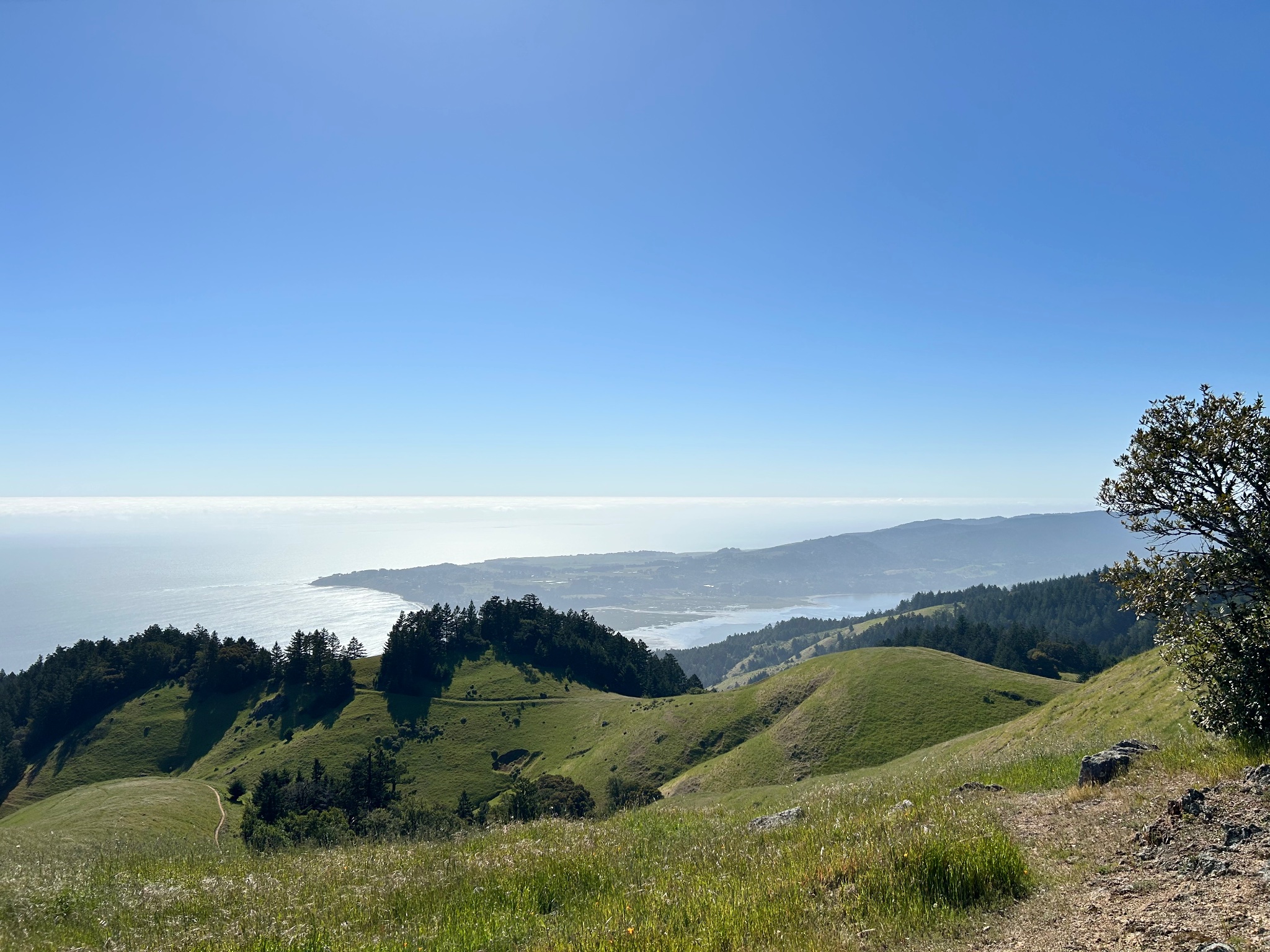
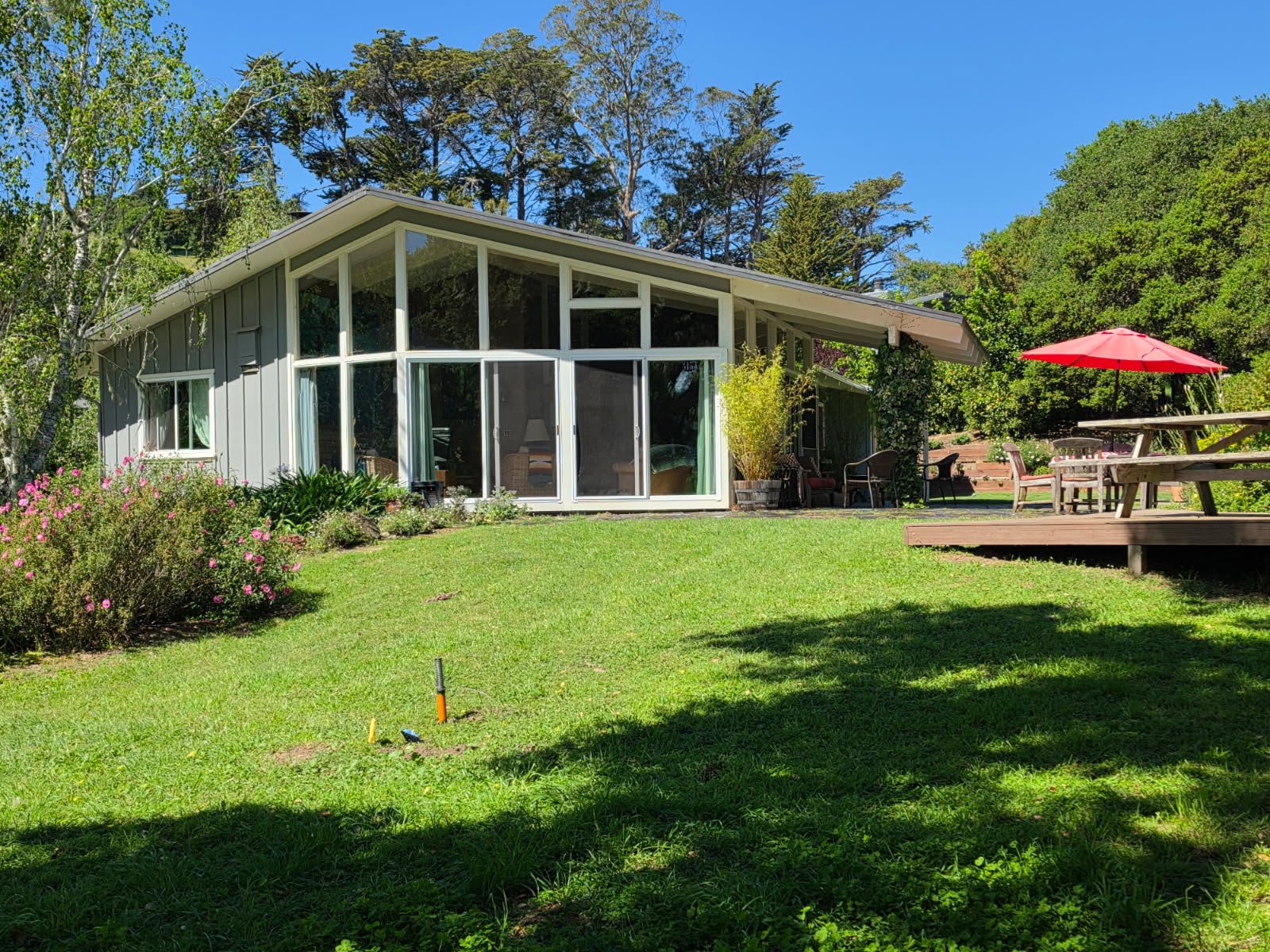
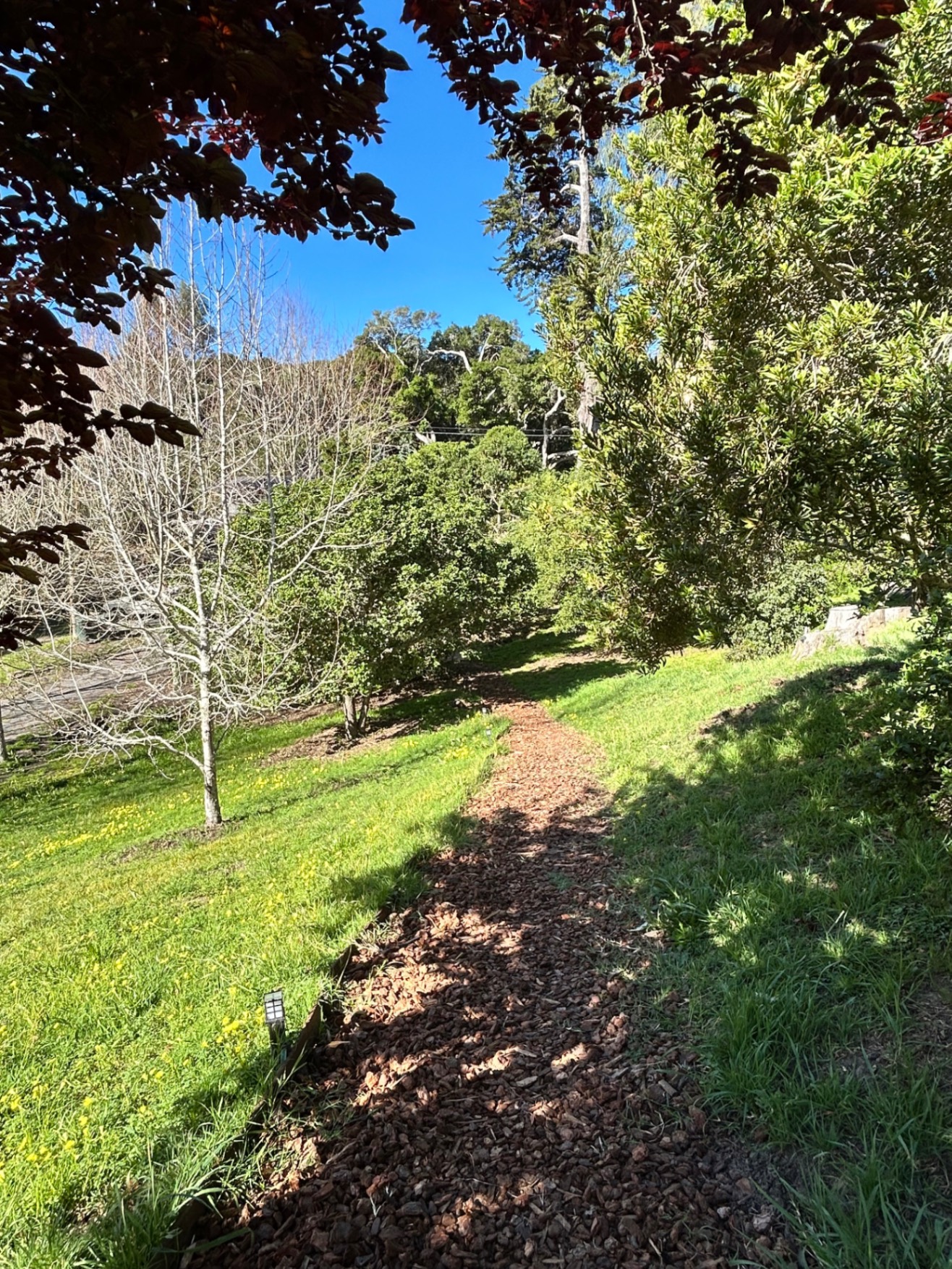
The pilot campus will be located in Georgia on a 2+ acre property with a main residence, community kitchen, garden, and 10 tiny homes for independent living.
How It Works
A two-to-three year journey
Residents enter at 17–18 through referral and move through three phases — each one building on the last, each one at the resident's own pace.
Stabilization
Residents live in the main house alongside staff and mentors. The focus is on safety, healing, and building trust. Trauma-informed assessments, therapy, and daily routines — meals, farm work, household responsibilities — create the foundation of a real home life.
Growth & Independence
As residents demonstrate readiness, they transition into their own tiny home or cottage on the property. They maintain their own space while staying connected to the community. Education, career preparation, and life skills development intensify during this phase.
Launch & Lifelong Connection
Residents prepare for life beyond the property — but not life without us. We help with housing placement, employment, and ongoing mentorship. Alumni are always welcome back. This community doesn't end at graduation.
Core Values
Belonging · Safety · Structure · Healing · Growth · Love
Belonging
Every person who walks through our door deserves to feel like they matter and have a place in this world.
Safety
Physical, emotional, and relational safety is the foundation everything else is built on.
Structure
Consistent routines, clear expectations, and predictable care — the things that were missing.
Healing
Trauma-informed support that meets people where they are, at the pace they need.
Growth
Education, skills, and the confidence to build a life that's truly their own.
Love
Not a policy. Not a program feature. Just people who genuinely care — and show it.
5-Year Plan
Where we're going
Foundation & Formation
Establish credibility, infrastructure, and initial funding base.
- Finalize 501(c)(3), EIN, bylaws, and SAM.gov registration
- Solidify 5–7 core board members committed to "give or get" $5,000 each
- Raise initial $100,000–$150,000 through grants, donors, and community events
- Launch website and social channels; create brand materials and media kit
- Identify 2-acre pilot property in Georgia; research zoning and site requirements
Build & Expand
Bring the first campus to life and launch the pilot program.
- Purchase or lease land with existing structure for renovation
- Build first 4–6 tiny homes + community kitchen + garden
- Hire staff and launch 6- and 12-month residency programs
- Reach $500,000 annual budget via grants, sponsors, and events
- Form partnerships with colleges, trade schools, and employers
Thrive & Multiply
Expand impact, establish sustainability, and replicate the model.
- Complete 10–12 tiny home community; begin blueprint for second location
- Formalize jobs, scholarships, and mentorship pipeline
- Reach $1M+ annual operating budget and launch endowment fund
- Host annual symposium for foster youth advocacy
- Collaborate nationally for awareness and model replication
We're building this right now.
Year 1 is underway. We need donors, board members, mentors, and community partners who believe this is worth doing. If that's you, let's talk.